Introduction to Zendesk
Zendesk has become one of the most recognized names in customer service software. Companies of every size use it to manage conversations, track support requests, and keep teams organized. It aims to make customer service easier to control by giving businesses a central place for email, chat, social messages, and help center management. For many organizations, Zendesk feels like a natural next step when zendesk review spreadsheets, shared inboxes, and scattered tools can no longer keep up. This review takes a clear look at what Zendesk does well, where it falls short, and whether it is the right match for your workflow.
Core Features and Functionality
The platform centers around a ticketing system that keeps each customer request organized from the moment it arrives. Everything is stored in one place, which means support agents never have to chase down lost messages or switch between windows to find missing details. Zendesk also offers a clean interface that feels familiar even to new users. The ticket view is simple, the tools sit where you expect them to be, and customization does not overwhelm you when you start. Businesses can bring conversations from email, chat, Facebook, X, and other channels into a single inbox, which cuts out confusion and helps teams respond faster.
Automation is one of Zendesk’s strong points. You can create triggers that assign tickets, send replies, or sort messages based on conditions. This helps teams avoid repetitive tasks and saves time during busy hours. Macros allow agents to answer common questions with one click, which keeps the quality of responses consistent. Reporting tools give managers access to trends, customer satisfaction data, and agent performance numbers. While the reports are not the most advanced on the market, they do provide enough detail to guide smart decisions.
User Experience and Interface
One of Zendesk’s biggest advantages is that it is easy to learn. The layout is clean, and actions like assigning a ticket, adding a comment, or checking a customer’s history feel quick. The mobile app also works well, which helps teams that need to stay responsive while on the move. The only downside is that some advanced setup tasks can become complex. Custom workflows require time and planning, and it is easy to feel lost when adjusting deeper settings for the first time. Still, once configured, the system runs smoothly and becomes a steady part of a support workflow.
Pricing and Value
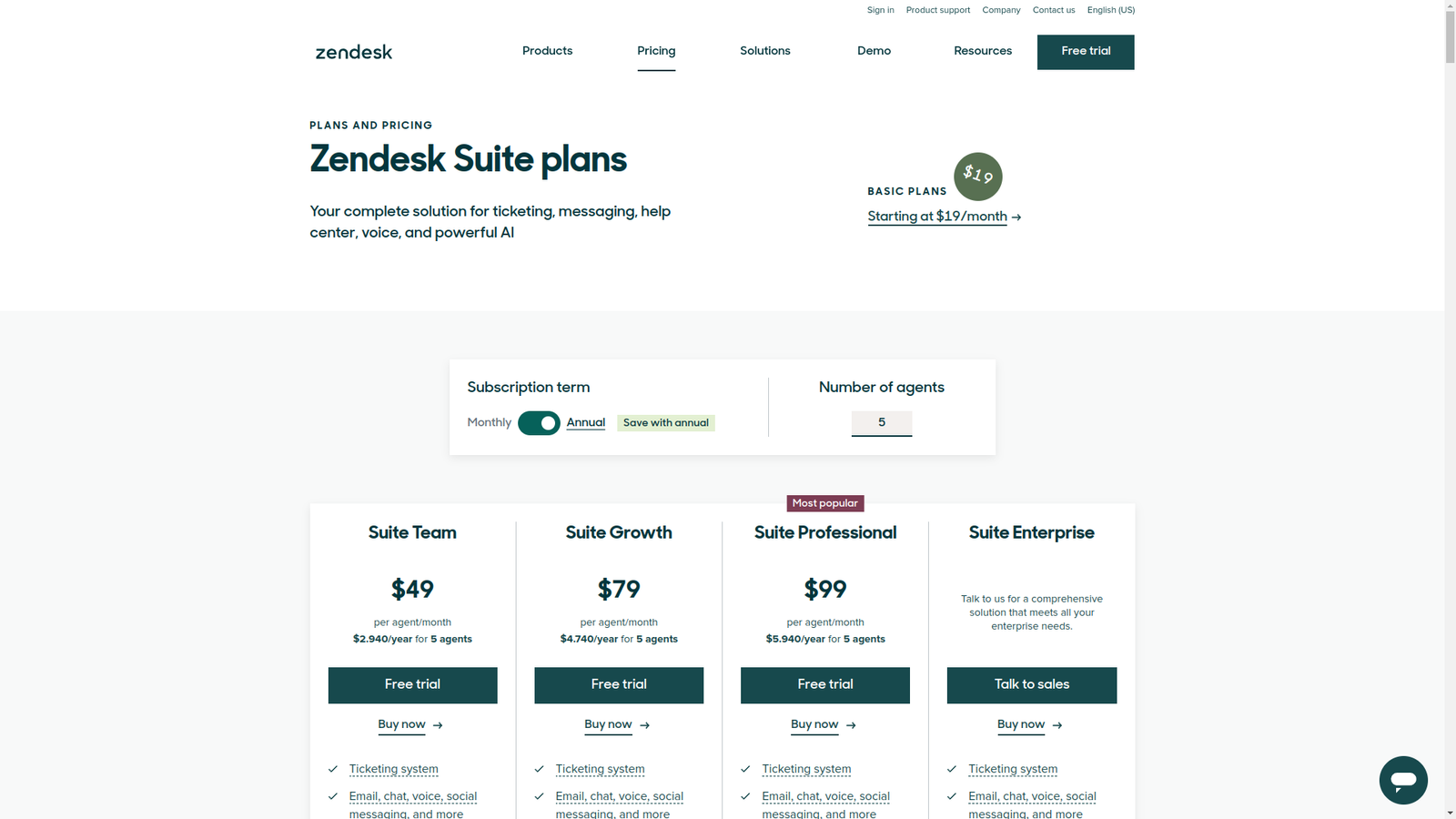
Zendesk’s biggest criticism is its price. It offers strong tools, but the cost can rise fast, especially for small businesses or growing teams. The entry tier works for basic support needs, but many companies quickly feel pressure to upgrade to unlock features that competitors include at lower prices. The higher tiers add powerful automation, reporting improvements, and customization options. For some companies, the investment pays off through efficiency and reliability. For others, especially startups, the price may feel heavy compared to more budget friendly alternatives.
Strengths and Weaknesses
Zendesk earns high marks for stability, ease of use, and multichannel support. It runs without glitches, scales well, and integrates with hundreds of apps. The help center builder also gives customers a place to find answers on their own, which reduces ticket volume. On the downside, the cost structure is not beginner friendly, and some users say customization takes longer than expected. Smaller teams might also feel that they are paying for features they do not use.
Final Verdict
Zendesk is a strong support platform built for businesses that need an organized, reliable system to manage customer communication. It shines in daily use, offers helpful automation, and stays dependable even as teams grow. The main concern is cost, which may push budget conscious companies toward simpler tools. If your business needs a polished, stable, and scalable customer service solution, Zendesk delivers. If you are watching expenses closely, it may be worth testing alternatives before committing.
About the Author
