What the Meta Ads Library Is and Why It Matters
The Meta Ads Library is a free, searchable database that shows ads running across Facebook, Instagram, Messenger, and the Meta Audience Network. It exists to promote transparency, giving anyone the ability to see what brands, creators, and political organizations are advertising. For marketers, it has become a research tool that reveals how competitors position their products, what creative styles they use, and which messages they lean on. Instead of guessing what works, you get a clear view of real campaigns running in real time. This helps you understand market trends, creative direction, and messaging shifts without spending a cent.
How to Use the Meta Ads Library for Competitor Research
One of the strongest benefits of the Meta Ads Library is the way it lets you study competitors in depth. You can look up any brand name and browse their current ads, saving time you would otherwise spend trying to track down scattered campaigns on your feed. When you search, you can filter by platform, country, and ad category, which helps you narrow results to the markets that matter. By studying these ads, you can observe tone, visuals, offers, call to action choices, and landing page strategies. The more ads you explore, the clearer the patterns become. Some companies run dozens of variations of the same ad, which shows how much they value A/B testing. Others rely on seasonal pushes, which gives you insight into their timing and promotional habits. This level of visibility helps you benchmark your own campaigns and identify opportunities your competition might be missing.
Tracking Creative Trends and Messaging Styles
The Meta Ads Library is useful for more than competitor analysis. It also gives you a snapshot of larger creative trends across industries. You can browse ads in categories such as fashion, health, finance, or entertainment and see what style dominates. Some seasons lean toward short video clips with bold text overlays, while others favor cleaner designs with quieter messaging. You can also study how brands communicate value. Some take a direct, benefit driven tone. Others lean into storytelling or humor. Seeing how these styles shift helps you build campaigns that feel current instead of outdated. It also teaches you which design elements appear consistently in high-frequency ads, which may signal stronger performance.
Learning From High-Volume Advertisers
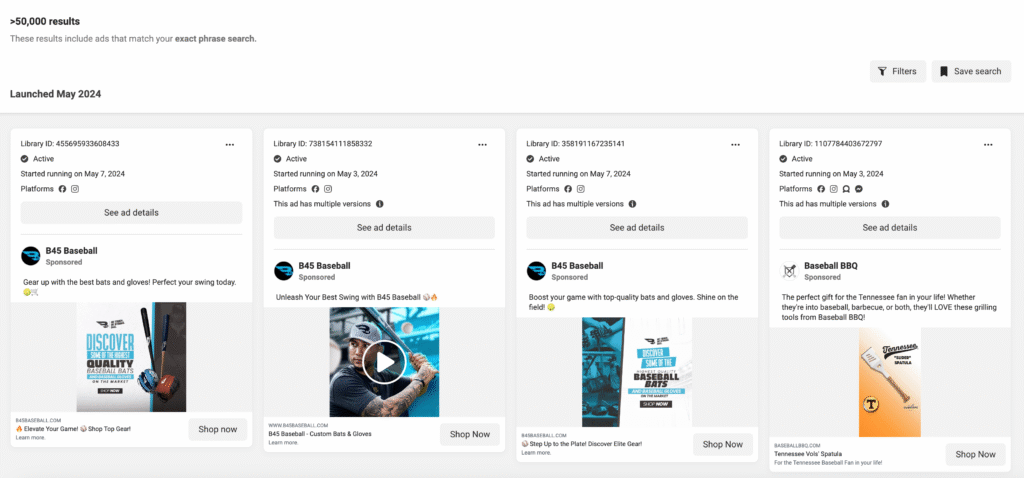
Many companies that run large advertising budgets appear in the Meta Ads Library with hundreds or thousands of active ads. These brands provide useful clues about what works at scale. When you examine their ads, you can look at how they structure their creatives, how often they rotate content, and how many variations they test. High-volume advertisers rarely rely on a single message. Instead, they test short videos, static images, jokes, product shots, testimonials, and clean text-based ads at the same time meta ads library. Observing this mix helps you understand the value of experimentation. While small businesses might feel limited by budget, the Meta Ads Library shows that experimenting with multiple variations does not require huge spending. Even a handful of small tests can reveal which creative direction resonates best.
Why the Meta Ads Library Is Valuable for New Marketers
For beginners, Meta advertising can feel overwhelming. The Meta Ads Library simplifies the learning curve by giving you countless examples of what real ads look like. You can study ad formats, understand how brands write strong primary text, and see the difference between attention grabbing introductions and weak openings. You also get a feel for how offers are presented. Free trials, limited time deals, and social proof statements appear often, and seeing these patterns helps you understand what the market expects. The more examples you review, the faster you develop your own style.
Final Thoughts
The Meta Ads Library has become a powerful tool for anyone involved in digital marketing. It provides transparency, saves research time, and gives you access to an enormous library of real-world advertising strategies. Whether you are refining your messaging, studying competitors, or looking for creative inspiration, it gives you the context you need to build smarter, stronger campaigns.
About the Author
